
Commercial Print Quality Inspection: Practical Guide
A practical, buyer-focused checklist for reviewing commercial print files, proofs, cardstock, color, trimming, folds, special finishes, and delivered orders.
A practical, buyer-focused checklist for reviewing commercial print files, proofs, cardstock, color, trimming, folds, special finishes, and delivered orders.

A practical guide to hot foil stamping on cardstock, including process differences, surface selection, folds, artwork setup, coverage limits, and proofing.

Scoring and creasing often describe overlapping methods of preparing cardstock to fold. Learn how tooling, grain, caliper, coating, and print coverage affect cracking—and what to specify to your printer.
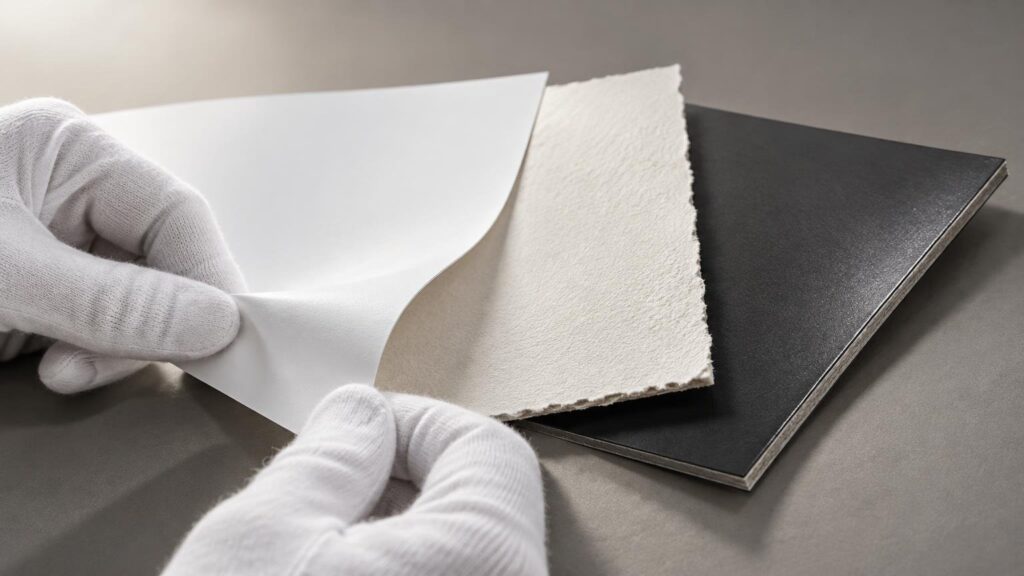
Tear resistance is a material and production requirement, not a paper-weight category. Compare synthetic sheets, conventional cardstock, and laminated cardstock before specifying your job.

Use this practical print-proof checklist to review copy, dimensions, bleed, color, cardstock, folds, finishing, and the physical details a PDF cannot confirm.
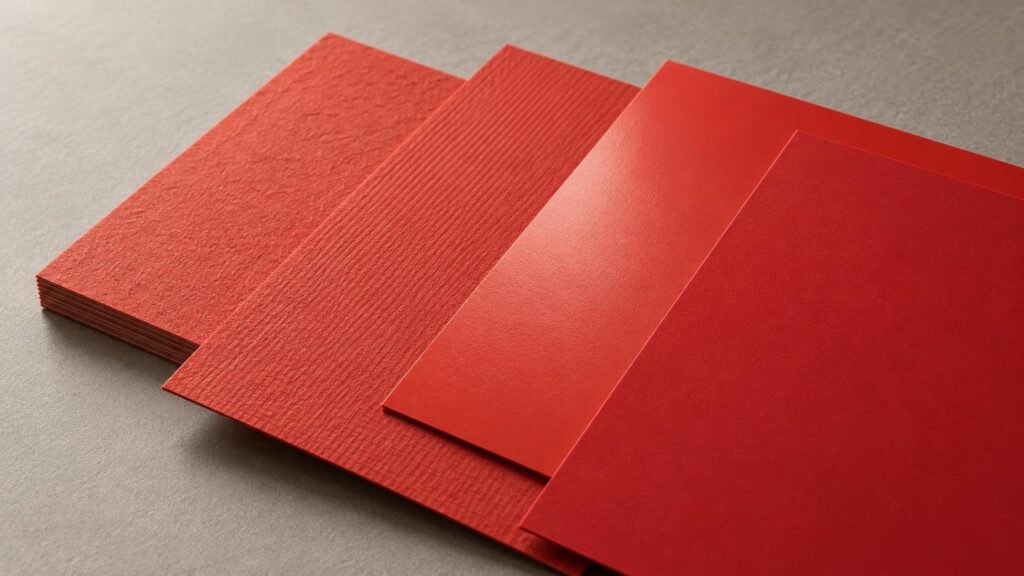
Brand colors remain consistent when the color target, cardstock, print condition, finishing, proof, and acceptance method are all controlled—not when a CMYK formula is copied into every file.

Paper weight measures mass per unit area, while caliper measures sheet thickness. Learn why neither specification alone predicts stiffness, folding behavior, print compatibility, or the finished feel of cardstock.
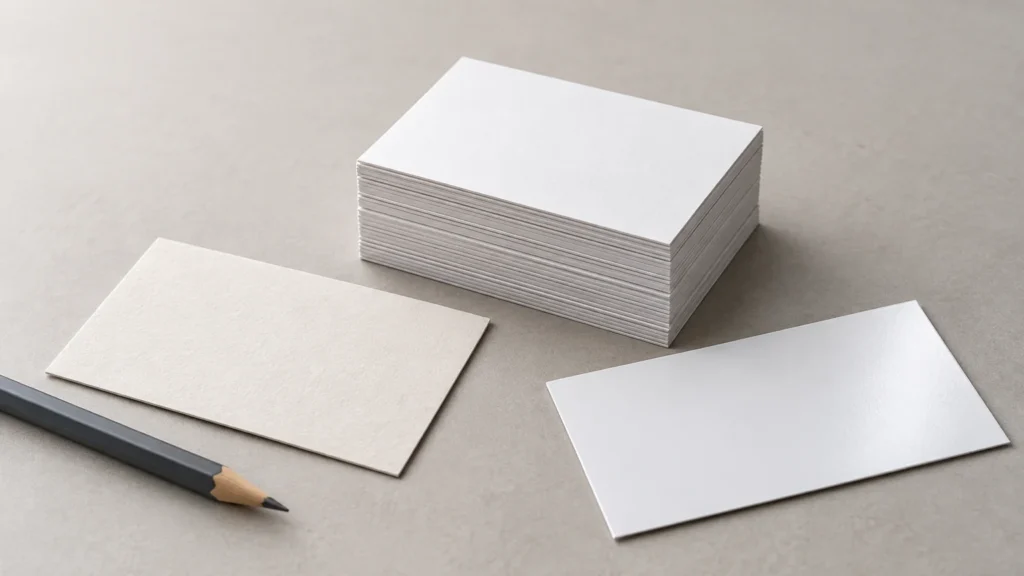
The best business-card paper depends on the required feel, surface, printing method, writability, and finishing—not one universal weight or finish.

The right booklet paper depends on its binding, page count, print process, surface, and intended use. Learn how to specify interior pages and covers separately.

Coating describes a paper’s surface, not its thickness or overall quality. Compare coated and uncoated stocks by appearance, writability, handling, folding needs, and printer compatibility.